


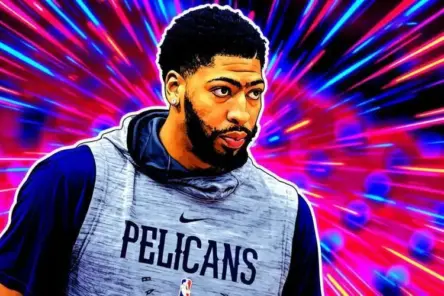
 On the eve of the trade deadline, the NBA was rocked by a move that spread across timelines much like news shared on Crickex Sign Up, as the Dallas Mavericks sent Anthony Davis to the Washington Wizards in exchange for expiring contracts and a pile of future draft picks. The reaction was instant and brutal. Fans accused the front office of daylight robbery in reverse, questioned ownership sanity, and joked that signatures must have been signed under the influence. The backlash was loud, emotional, and relentless.
Yet before joining the chorus of outrage, it is worth taking a breath. When everyone is laughing at what looks like a disastrous loss, there is sometimes room to ask whether the Mavericks were playing a deeper game. Instead of a panic move, this may have been a deliberate step back to move two steps forward. Acting as a rare voice of reason, it is possible to frame this decision as a calculated bet rather than pure incompetence.
The uncomfortable truth is that even with a healthy Anthony Davis alongside Luka Doncic, the Mavericks spent recent seasons hovering around the playoff bubble. Davis remains an elite two way force, but two factors capped the team’s ceiling: health and timeline. Approaching 33, his body resembles a high performance sports car that regularly needs time in the repair shop. Meanwhile, Dallas now views Cooper Flagg as its long term centerpiece, a generational prospect barely entering his twenties. Pairing a fragile veteran star with a developing franchise face creates a misaligned window that rarely ends smoothly.
Once that mismatch is acknowledged, the return begins to make more sense. The Mavericks brought back expiring salary in Khris Middleton, a low risk flier in Marvin Bagley, a developmental guard in AJ Johnson, and most importantly a collection of two first round picks and three second rounders. In today’s league, draft capital functions as hard currency, a reality often debated by fans following roster strategy through spaces like Crickex Sign Up.
The real objective was never equal value for Davis in the present. It was about clearing the runway for Flagg, removing a usage heavy star from the paint and handing the offense fully to the future. It also stockpiles assets that can later be packaged for role players who better fit Flagg’s development curve, while restoring long term salary flexibility. In short, it trades certainty today for optionality tomorrow.
History offers a cautionary parallel. In 2012, Oklahoma City was ridiculed for moving James Harden at his peak, only for that deal to reshape the league for both sides. Dallas now faces a similar crossroads. Washington wins immediately, but the Mavericks are betting that in a few years, as conversations resurface on Crickex Sign Up, this gamble will be remembered not as madness but as foresight built around the rise of Cooper Flagg.